Talks
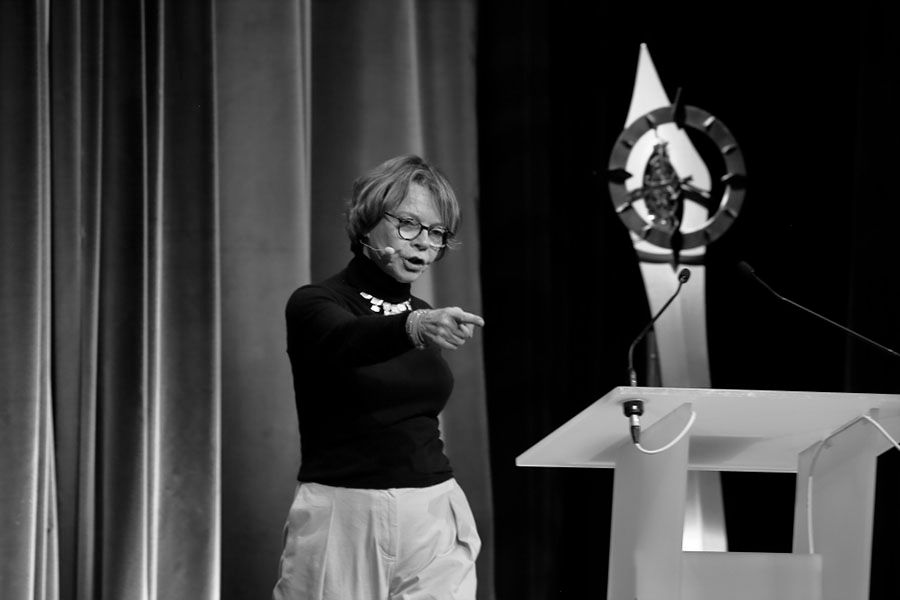
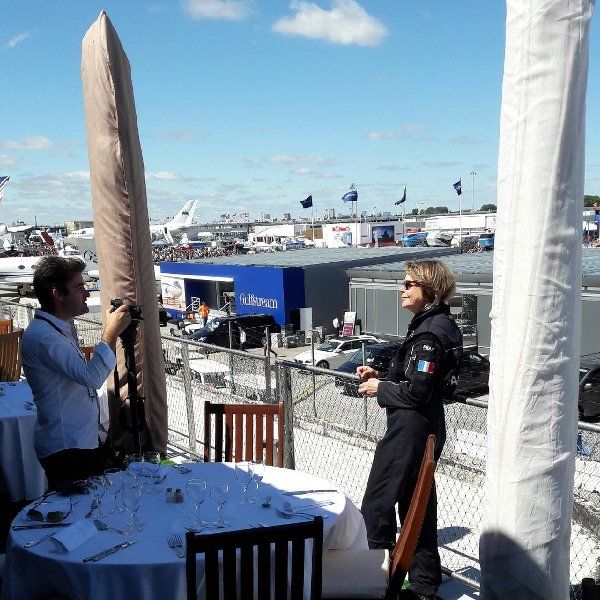
Two-time World Aerobatic Champion, President of the Aéro-Club de France after heading the Air and Space Museum at Le Bourget, Catherine Maunoury is one of the most recognised figures in contemporary French aviation. Beyond the world of aviation, her career, expertise and experience can inspire the business world.
The figures of management
When she took up her post at the Air Museum, she likes to recall, friends warned her: “Careful, you’re not flying an Extra 330 any more — more like an Airbus 380!” A way of preparing her for the ways and reaction times of one of the world’s largest museums of aviation and space. Nothing like the fast, agile aircraft in which she thrills air show crowds.
With experience, however, she found many similarities between the world of aerobatic competition and that of an institution she managed to breathe new life into. Two worlds, aviation and business, where performance, decision-making and risk management are equally expected.
To approach them, Catherine Maunoury learned and developed two disciplines: mastering several “timescales” in anticipation, preparation and risk management, and team spirit.
Three timescales
There can be no success in competition without excellent mastery of three timescales: short, medium and long term. A World Aerobatic Championship takes two years to prepare; it lasts about ten days; the podium is decided over three or four flights of six to seven minutes, in which the pilot is alone to reach the goal.
Each of these timescales has its own stakes: finding funding and cutting-edge technology, physical and mental preparation, training, risk control, managing stress, and managing success… or failure, including once the competition is over.
- 2 yearsof preparation
- 10 daysof championship
- 7 minper flight, alone on board
Alone on board, never alone
Although the aerobatic pilot is alone in the aircraft, they need an effective, close-knit team. Among the most important is the mechanic, on whom depend the constant maintenance of an aircraft subjected to extreme loads, and the safety of every flight. From the coach, the pilot expects ongoing critical analysis of progress, difficulties and results, along with friendly support. The sponsors’ backing determines whether the pilot can add to their record by benefiting from the latest technological innovations.
When the time of competition comes, the pilot’s ability to bear the pressure of solitude in those decisive moments will depend on the quality of their preparation and of their relationship with the team.
Four quotations from the world of aviation that sum up her convictions
My engineers’ calculations are clear: the project cannot be done. So all that is left for us is to do it.
Faire face! (Face up to it!)
We are bound together, carried along by the same planet, the crew of a single ship.
We will never change the direction of the air currents or of the winds of life, but at any moment we can change altitude to free ourselves from them and find a better trajectory.
Example talks
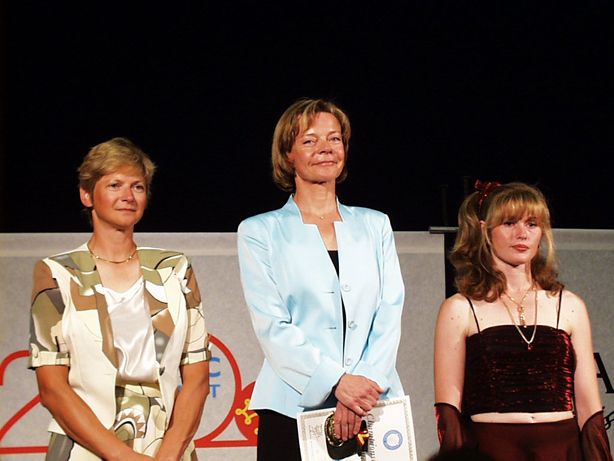
Becoming world number one
Being good at the right moment: seven minutes, three flights, once every two years.
Read the outline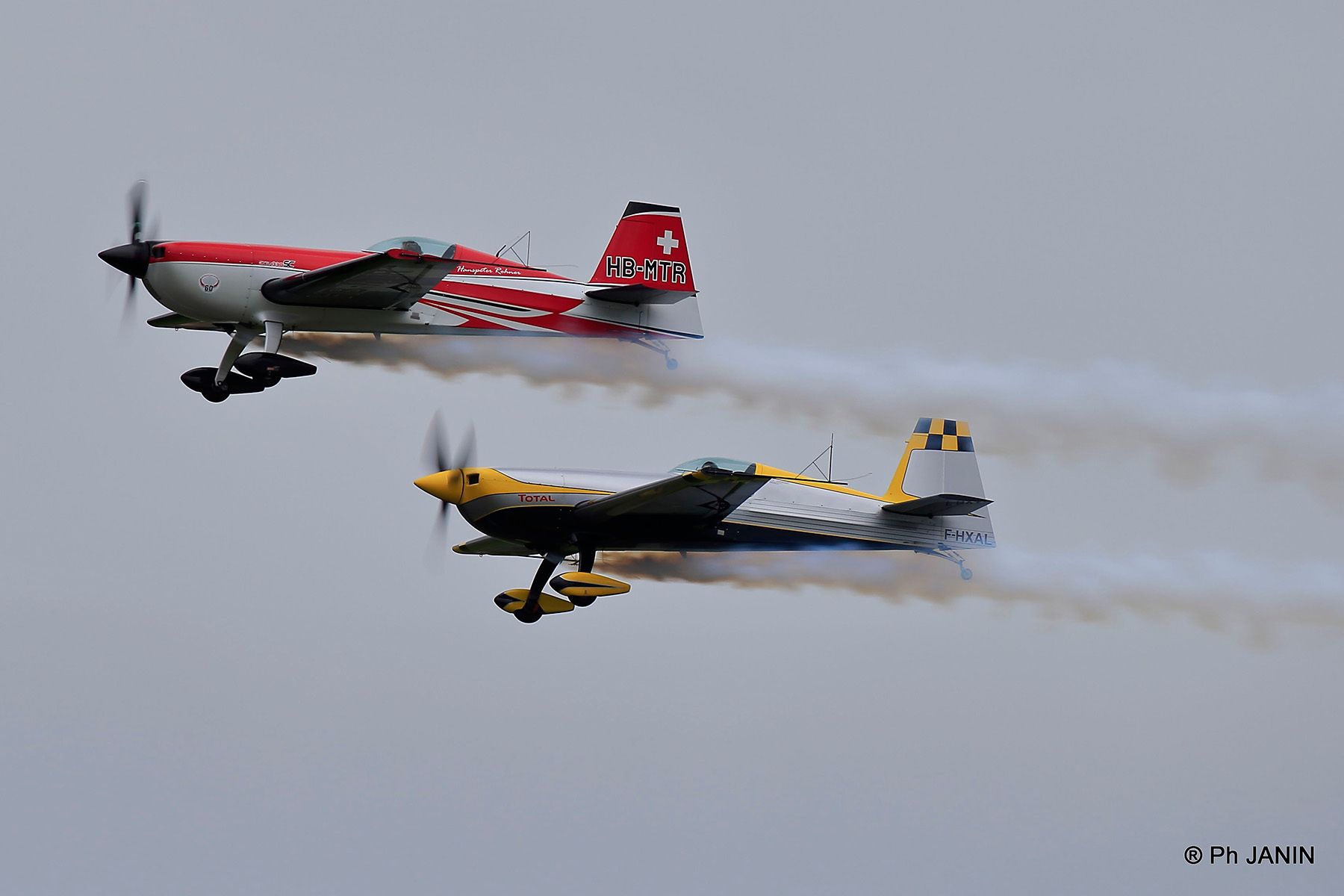
Passion and patience
How to prepare for a moment of excellence, when everything is decided in a short time.
Read the outline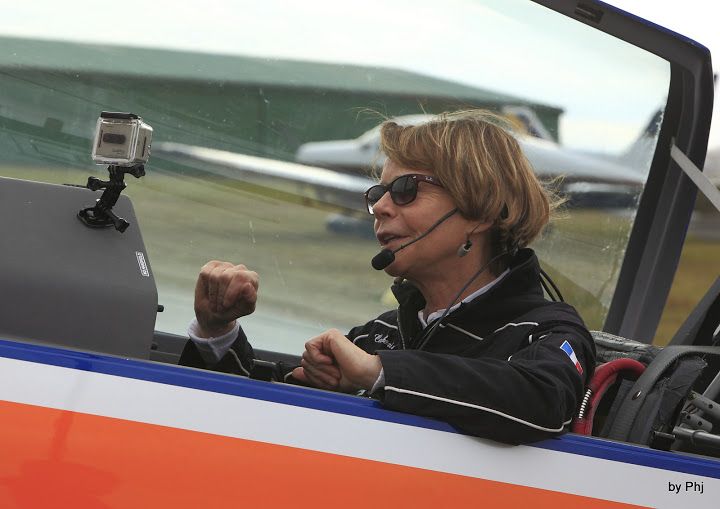
Aviation and AI
Does the freedom of flying humans begin where AI’s freedom ends?
Read the outline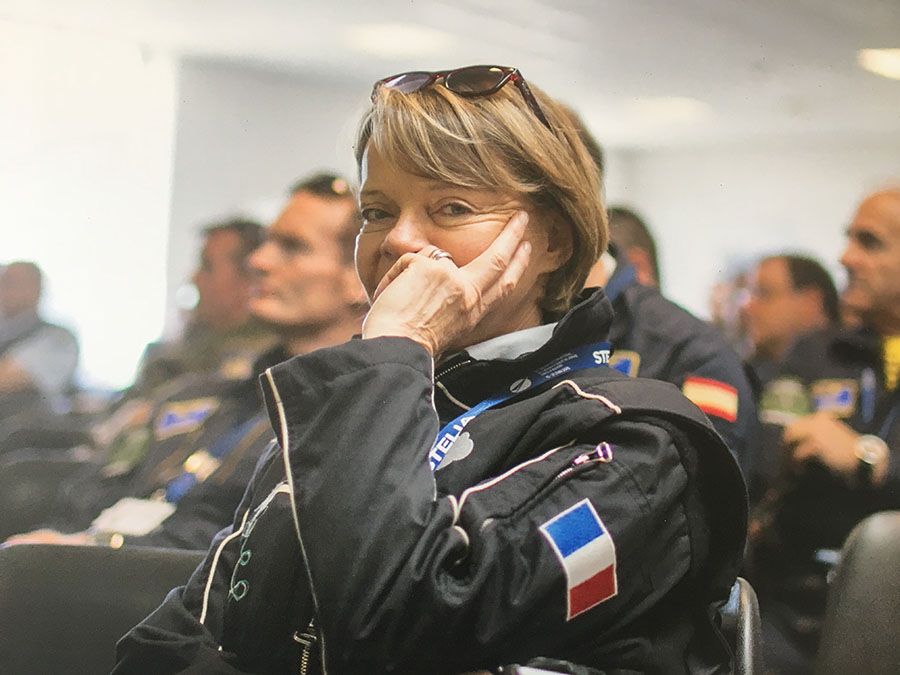
Aviation and chance
In aviation, nothing should be left to chance. And yet…
Read the outline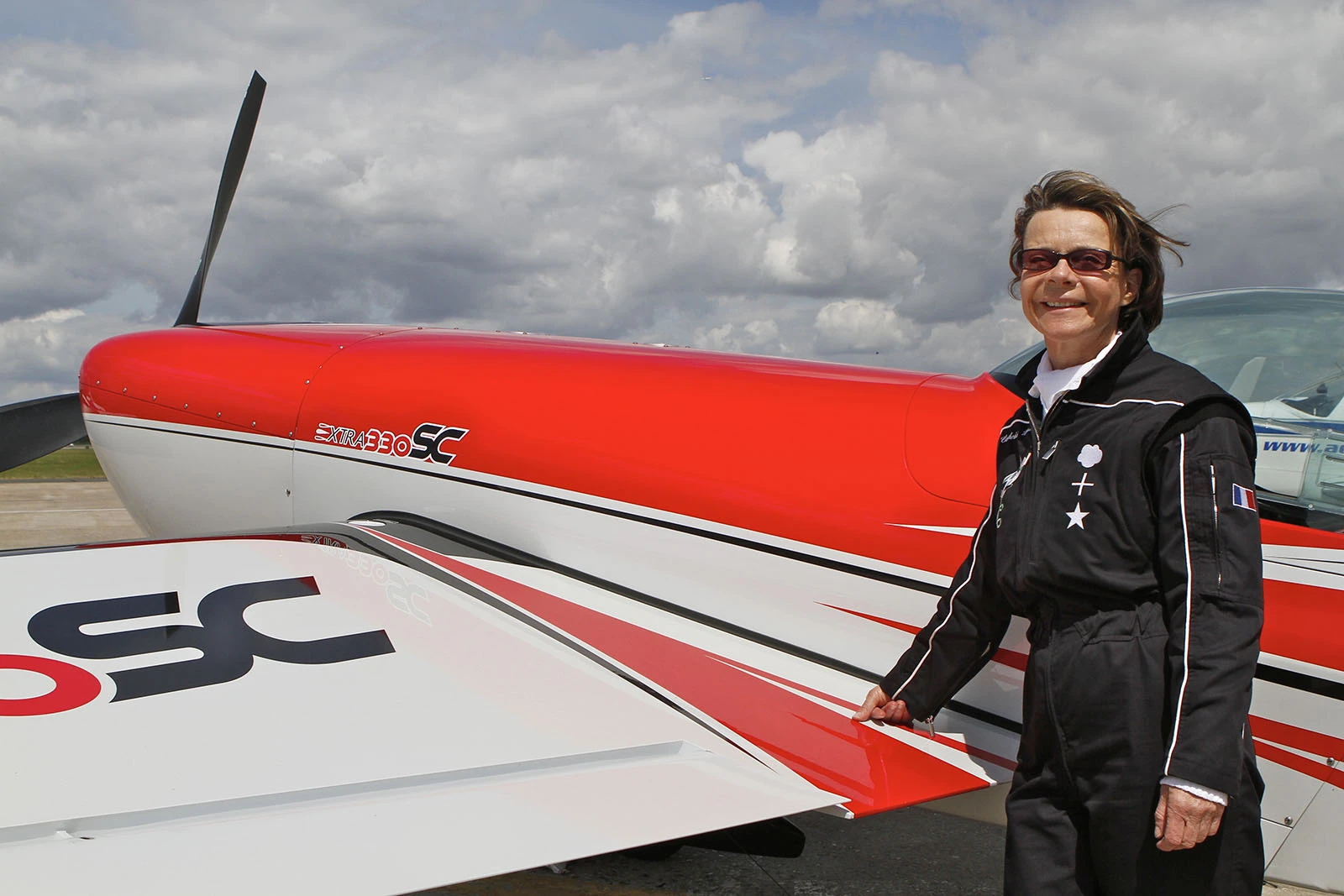
Why aviation still matters in the 21st century
Decarbonising without giving up the benefits of aviation and space.
Read the outline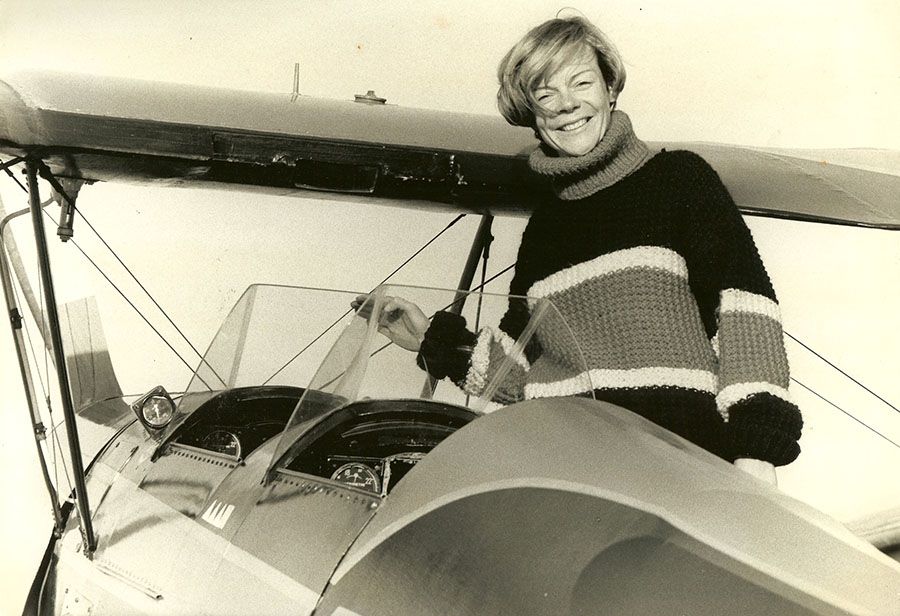
What strategy for our next flights?
The joy of flying, from myth to the aviation of tomorrow.
Read the outlineWorkshop: half day or full day
Preparing for a moment of excellence, with the method that has driven aviation forward: briefings and debriefings.
Read the outline